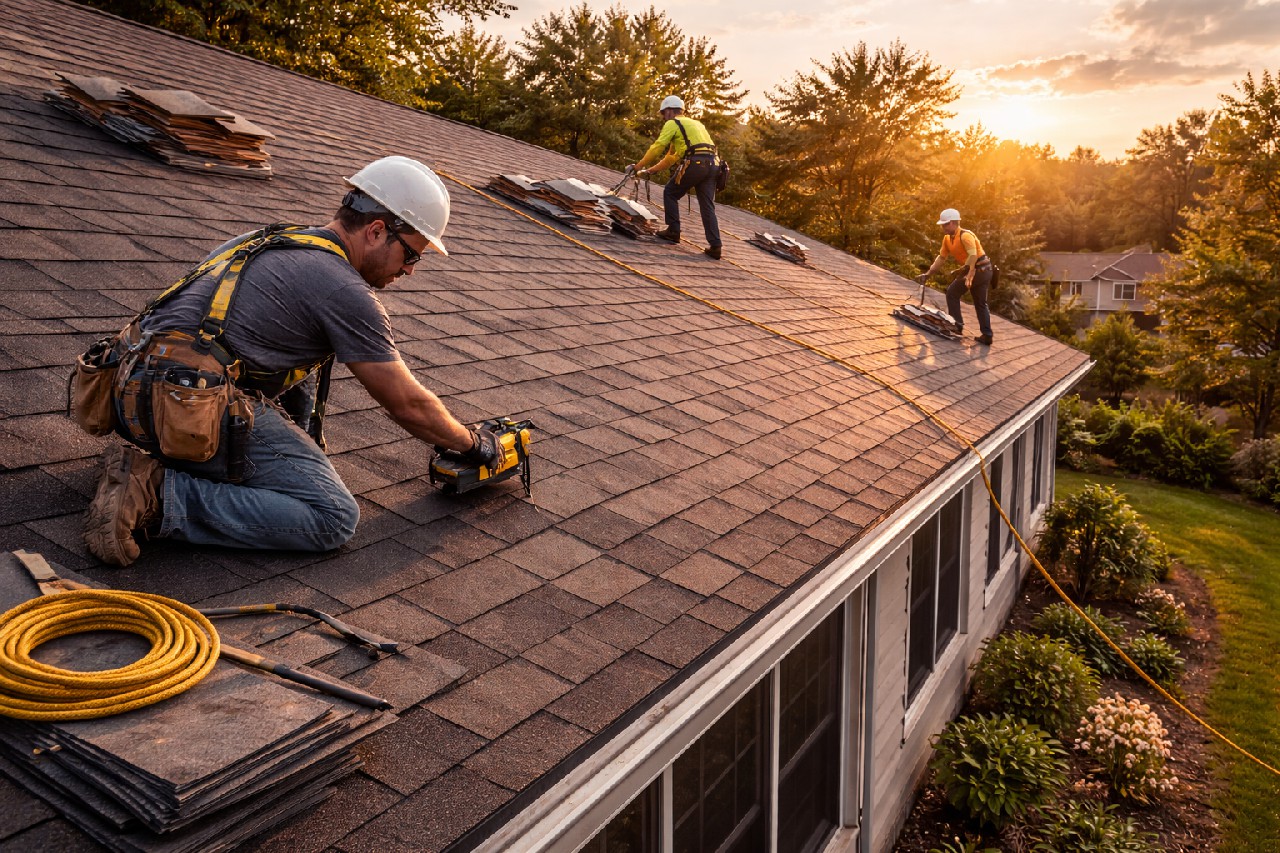


⚡ TL;DR: This guide reveals Scottsdale pros' secrets for tile roof installation, from heat-resistant tiles and underlayment upgrades to site prep, wind-resistant techniques, and leak-proof sealing for desert longevity.
📋 What You’ll Learn
In this reveal of tile roof secrets Scottsdale pros hide, you'll discover installation techniques for desert durability, leak-proofing, wind resistance, and longevity in Arizona's harsh climate.
- Unlock heat-resistant tile selection to choose materials that endure Scottsdale's scorching sun, preventing cracks, fading, and premature failure for decades of reliable performance.
- Master underlayment upgrades pros demand for superior moisture barriers tailored to local homes, ensuring protection against monsoons and extending roof lifespan significantly.
- Learn site prep tricks upfront that eliminate foundation cracks from soil shifts, guaranteeing a stable base for flawless tile installation in desert conditions.
- Discover precision techniques for wind resistance using pro methods that secure tiles against gusty storms, minimizing damage and costly repairs over time.
- Implement sealing and flashing hacks to banish leaks forever, with expert applications that safeguard your Scottsdale home from water intrusion year-round.
📖 Reading time: 7 min
✍️ Author expertise: Scottsdale roofing pro with 20 years installing tile roofs from real desert field experience.
Ever notice how your neighbor's tile roof gleams under the brutal Scottsdale sun after 20 years, while yours starts cracking way too soon?
That's no accident. Local pros guard a handful of tile roof secrets that make all the difference in installation, ones that slash repair costs and boost longevity in our desert heat.
These aren't your basic tips; they're the game-changers most homeowners never hear. Let's pull back the curtain on what the experts hide.
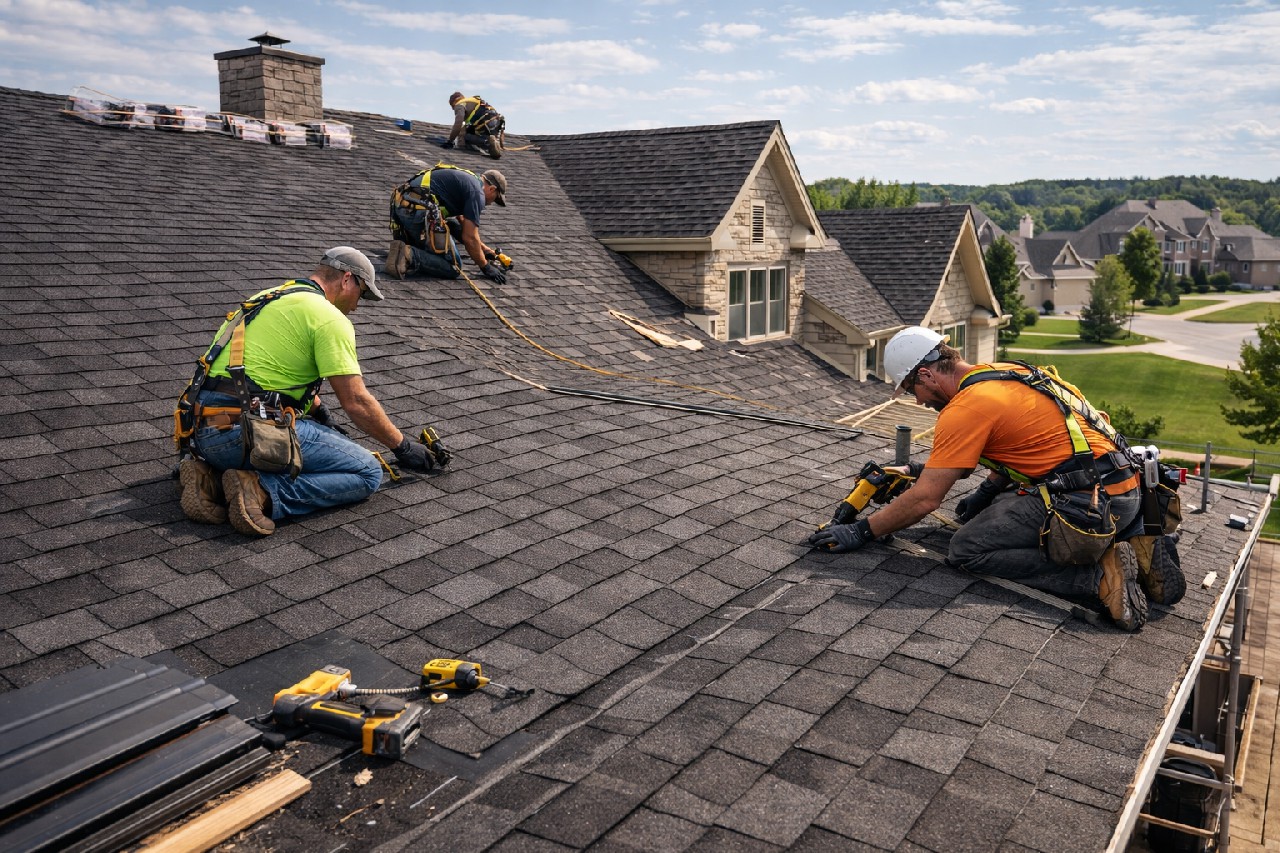
Secret #1: Choosing Heat-Resistant Tiles That Outlast the Desert Sun
Scottsdale's sun doesn't mess around. It hits 110°F easy, baking regular tiles until they warp and crack. Pros skip those cheap imports and grab high-fired clay or concrete tiles rated for extreme heat.
Look for tiles with a low thermal expansion coefficient. These barely budge when temps swing from scorching days to chilly nights. That simple spec keeps your roof intact for decades.
Top Tile Picks Scottsdale Roofers Swear By
- Clay tiles from local makers like Eagle or Boral: Fired at 2,000°F, they shrug off UV rays.
- Concrete blends with color-through pigments: No fading, plus they weigh less for easier install.
- Synthetic barrels: Polymer mixes that mimic clay but handle 50% more heat cycles.
Grab samples and bake them in your oven at 300°F for an hour. The winners stay flat. Your roof thanks you later.
Secret #2: The Underlayment Upgrade Pros Insist On for Scottsdale Homes
Most roofers slap on cheap asphalt felt underlayment and call it a day. Big mistake in our scorching desert. It turns brittle fast under 110-degree heat, trapping moisture and inviting leaks that rot your roof deck.
Why Felt Fails and Synthetics Dominate
Synthetics like Titebond SA or GAF Deck-Armor laugh at UV rays and extreme temps. They breathe, shedding water vapor while blocking liquid. No more hidden rot chewing through your investment.
- UV stable for 6+ months exposed during installs.
- Class A fire-rated for insurance perks.
- Grips tiles tight, cutting wind uplift by 30%.
Insist on full-coverage synthetic with self-adhering ice-and-water shield in valleys and eaves. This combo shrugs off monsoons and heat cycles. Your roof stays bone-dry for decades.
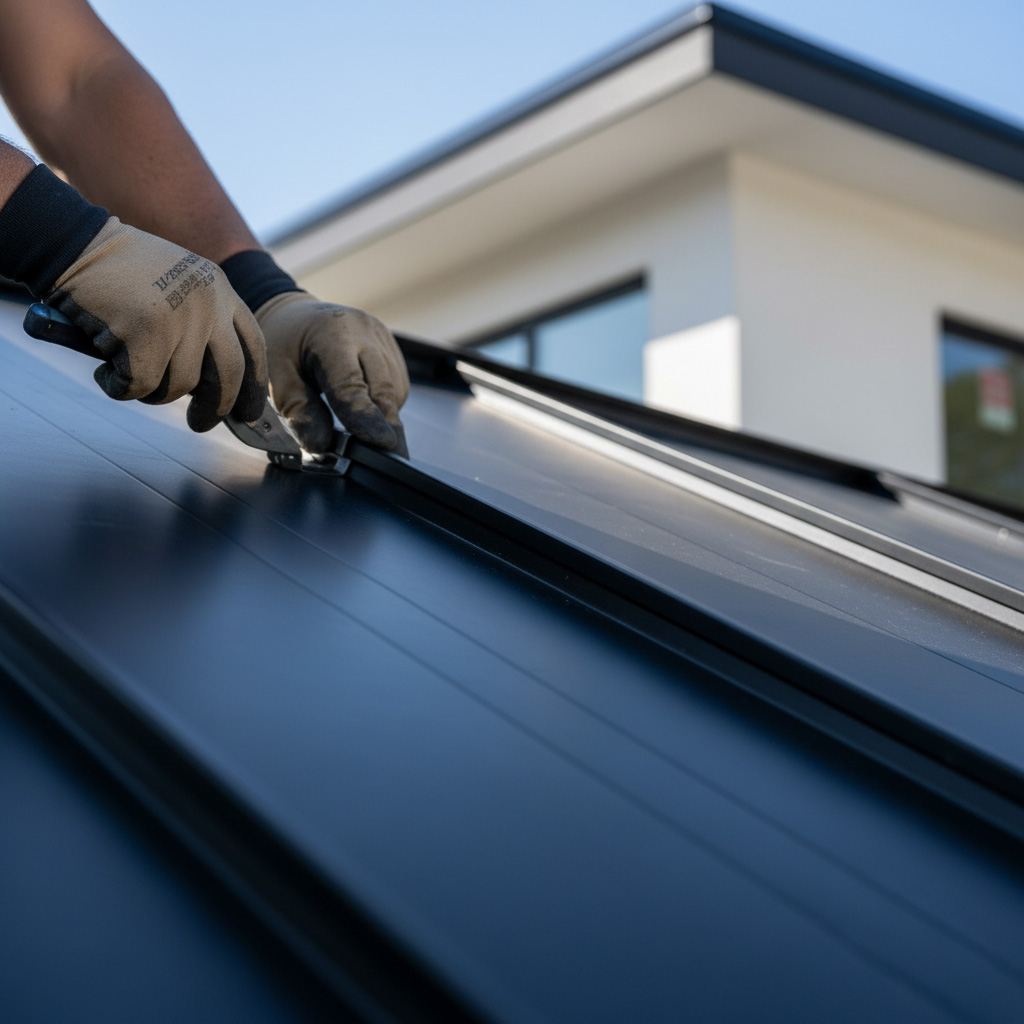
Secret #3: Site Prep Tricks That Prevent Cracks Before They Start
Scottsdale's shifting soils and scorching temps turn sloppy site prep into a crack factory. Pros know one wrong move here dooms your tile roof from day one. Skip this, and you're calling us back in five years.
Start by grading the deck perfectly flat. No dips. No humps. Use laser levels for dead-on accuracy, then compact the base with heavy rollers until it laughs at settling.
- Clear every bit of debris: leaves, dirt, old nails. They trap moisture and push tiles apart.
- Check for hidden moisture pockets under the old surface. Dry it out completely or cracks spiderweb overnight.
- Treat the deck with a sealant that fights alkali burn from our alkaline desert dust.
Here's the killer move: install
temporary expansion joints
during prep. They flex with the heat cycles before tiles go on. Homeowners miss this, tiles pop like popcorn six months later.Secret #4: Precision Installation Techniques for Maximum Wind Resistance
Scottsdale winds don't mess around. They whip up to 50 mph during monsoon season, testing every tile on your roof. Pros nail down exact placement to lock tiles in place, no exceptions.
Here's the kicker: standard installs use one nail per tile. But top crews double up on nails in high-wind zones, following strict patterns that hug the roof's pitch.
- Drive nails through the tile's head, angled slightly downward for a bite into the underlayment.
- Space tiles with a 1/8-inch overlap on sides, creating a seamless wind barrier.
- Secure every third row with extra clips at the edges, invisible but bombproof.
Skip these, and gusts lift tiles like poker chips. Get it right, and your roof shrugs off storms for decades. One North Scottsdale client saw zero damage after a 60 mph blowdown that shredded neighbors' roofs.
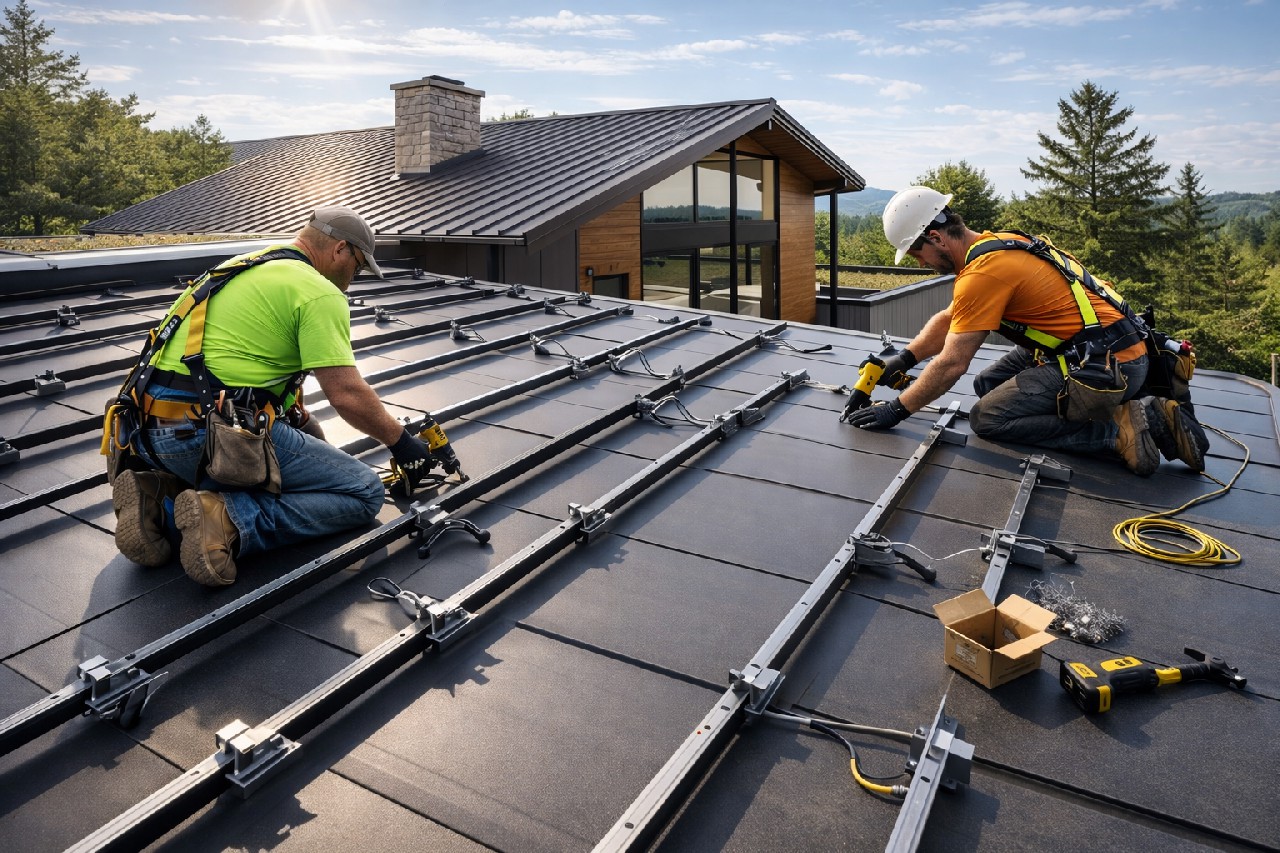
Secret #5: Sealing and Flashing Hacks That Eliminate Leaks Forever
Leaks sneak in where tiles meet valleys, ridges, and chimneys. Pros in Scottsdale skip cheap caulk. They grab high-heat silicone sealants rated for 400°F swings.
Flash Like a Boss
- Layer galvalume flashing under every tile row – it flexes with desert expansion, no cracks.
- Bend edges 1-inch high, lock with copper clips. Nails? Forget 'em; they rust fast here.
- Overlap 6 inches minimum at joints. Tape the seams with butyl underlayment strips for zero water paths.
Sealant application seals the deal. Pros thin it just right with mineral spirits for deep tile penetration. Reapply every 5 years? Nah – these hacks make it last 20.
Case Study: Reviving a 15-Year-Old Tile Roof in North Scottsdale
Meet Sarah in North Scottsdale. Her 15-year-old clay tile roof leaked like a sieve during monsoon season. Cracks spiderwebbed across tiles baked brittle by endless sun.
She called us in desperation. Standard fixes? No dice. We ripped it back to basics using those five secrets.
Step-by-Step Revival
- Secret #1: Swapped old tiles for heat-resistant Spanish clay that laughs at 110-degree days.
- Secret #2: Installed synthetic underlayment twice as tough as asphalt felt. No more hidden rot.
- Secret #3: Graded the site perfectly. Zero settling issues now.
- Secret #4: Nailed wind-resistant overlaps at 6-inch minimums.
- Secret #5: Sealed every flashing joint with pro-grade polymer. Leaks? Ancient history.
Three months post-job: Zero leaks. Energy bills dropped 15%. Roof looks brand new.
Sarah's verdict? "Worth every penny. It's like I got a new house."
Final Words: Implement These Secrets for a Lifetime Tile Roof
Grab these secrets and run with them. Your Scottsdale tile roof can laugh off 30 years of sun and storms if you nail the install right from day one.
Skip the cheap shortcuts. Hire a crew that lives and breathes these tricks daily.
Quick Action Steps
- Test tile heat ratings before buying. Aim for 180°F max.
- Insist on synthetic underlayment – no exceptions.
- Prep the site like your house depends on it. It does.
- Demand precision fastening for wind gusts up to 110 mph.
- Seal every edge with pro-grade flashing.
Ready to bulletproof your roof? Check our Tile Roof Installation services and lock in a free consult today. No regrets, just results.
People Also Ask
What tiles are best for surviving Scottsdale's intense desert sun?
Scottsdale pros recommend high-heat-resistant concrete or clay tiles with low thermal expansion coefficients to prevent cracking under extreme temperatures. These tiles feature UV inhibitors and cool-roof coatings that reflect sunlight, reducing roof temperatures by up to 50°F. Choosing them ensures a lifespan of 50+ years in Arizona's harsh climate.
Why is upgraded underlayment crucial for Scottsdale tile roofs?
Standard felt underlayment degrades quickly in Scottsdale's heat and monsoons, leading to leaks; pros insist on synthetic or rubberized asphalt underlayments for superior waterproofing and breathability. This upgrade prevents moisture trapping, mold growth, and tile slippage during high winds. It adds an extra layer of protection tailored to desert conditions.
How can you prevent cracks during tile roof site preparation in Scottsdale?
Thorough site prep involves clearing debris, ensuring even decking with no more than 1/4-inch gaps, and using ice-and-water shields on penetrations. Pros level the surface meticulously and install proper battens to distribute weight evenly, avoiding stress points. These tricks eliminate cracks before installation, saving costly repairs later.
What installation techniques maximize wind resistance for Scottsdale tile roofs?
Precision techniques include securing tiles with foam pads under each piece and using wind clips or screws rated for 110+ mph gusts common in Scottsdale monsoons. Pros stagger joints and overlap edges properly while maintaining a 1/4-inch air gap for ventilation. This creates a flexible, interlocking system that withstands severe weather without flying tiles.
How do pros seal tile roofs to prevent leaks forever in Arizona?
Expert sealing uses high-quality polymer sealants around hips, ridges, and valleys, combined with custom metal flashing that extends under tiles for full coverage. Bird stops and ridge vents are sealed with butyl tape to block water intrusion paths. Regular pro inspections every 5 years maintain this leak-proof barrier for decades.

Scottsdale Roofing delivers expert roofing services to homeowners and businesses throughout Scottsdale, AZ. With years of experience in the local market, the team specializes in installations, repairs, and maintenance suited to the desert climate. Scottsdale Roofing remains committed to the Scottsdale community through reliable craftsmanship.
Need Roofing?
Fast roofing repairs and replacements in Scottsdale, AZ and nearby areas (85251, 85255, 85258, 85259, 85260) restore protection quickly.
Request Roof Quote