

⚡ TL;DR: Discover key steps for roof installation in Scottsdale, AZ, addressing heat, wind, monsoons with durable materials, preparation, and local techniques for reliable results.
📋 What You’ll Learn
In this ultimate guide to roof installation in Scottsdale, AZ, you’ll master desert-specific challenges, select durable materials, follow proven steps, and apply local techniques for a roof built to last.
- Navigate Scottsdale's roofing challenges like extreme heat, high winds, and monsoon damage to choose resilient designs that protect homes year-round in the Sonoran Desert.
- Select top materials for durability including tile, metal, and asphalt options optimized for UV resistance, thermal expansion, and low-maintenance performance in arid climates.
- Master pre-installation preparation from inspections and permits to underlayment and flashing setup, ensuring a solid foundation that prevents leaks and structural issues.
- Follow the step-by-step process covering tear-off, decking repair, layering, and sealing, with pro tips for efficiency and compliance with local building codes.
- Apply Scottsdale-specific techniques for ventilation, edge detailing, and monsoon-proofing, drawn from real installs to extend roof life and boost energy savings.
📖 Reading time: 7 min
✍️ Author expertise: Scottsdale roofing contractor with 20+ years of field installations in desert conditions.
Scottsdale's relentless sun scorches everything it touches, and when those brutal monsoons roll in, a weak roof turns your dream home into a soggy nightmare.
One bad install job, and you're staring at leaks, mold, skyrocketing energy bills, and repair costs that hit like a freight train.
But what if you could nail the perfect roof installation right from the start, tailored to our desert extremes? Let's dive into the step-by-step blueprint that top pros swear by.
Scottsdale's Unique Roofing Challenges: Heat, Wind, and Monsoons
Scottsdale's summer heat doesn't mess around. Temperatures routinely top 110°F, baking roofs and causing materials to expand, contract, and crack over time. Most generic shingles buckle under this punishment, leading to premature failure and energy loss as heat seeps inside.
Why Heat Hits Roofs Hardest Here
- UV rays degrade asphalt shingles faster than anywhere else.
- Thermal cycling warps metal roofs if not properly installed.
- Attic temperatures soar past 150°F, spiking AC bills by 30% or more.
Then come the winds. Gusts over 60 mph whip through during spring storms, ripping at loose shingles and underlayment. Monsoon season piles on with sudden downpours and hail, turning minor flaws into major leaks.
Standard roofs from milder climates? They fail spectacularly. Wind uplift tears them off. Hail dents and punctures. Heavy rain overwhelms poor drainage, flooding homes fast.
Choosing the Best Roofing Materials for Desert Durability
Scottsdale's triple-digit temps bake standard shingles into brittle crisps. Pick wrong, and your roof cracks under UV assault or peels off in monsoon gusts. Go for materials built to laugh at 115-degree scorchers.
Top Picks That Crush Desert Heat
- Clay or Concrete Tiles: These bad boys shrug off intense sun with killer thermal mass. They stay cool, slash AC bills by 20-30%, and shrug off 80mph winds.
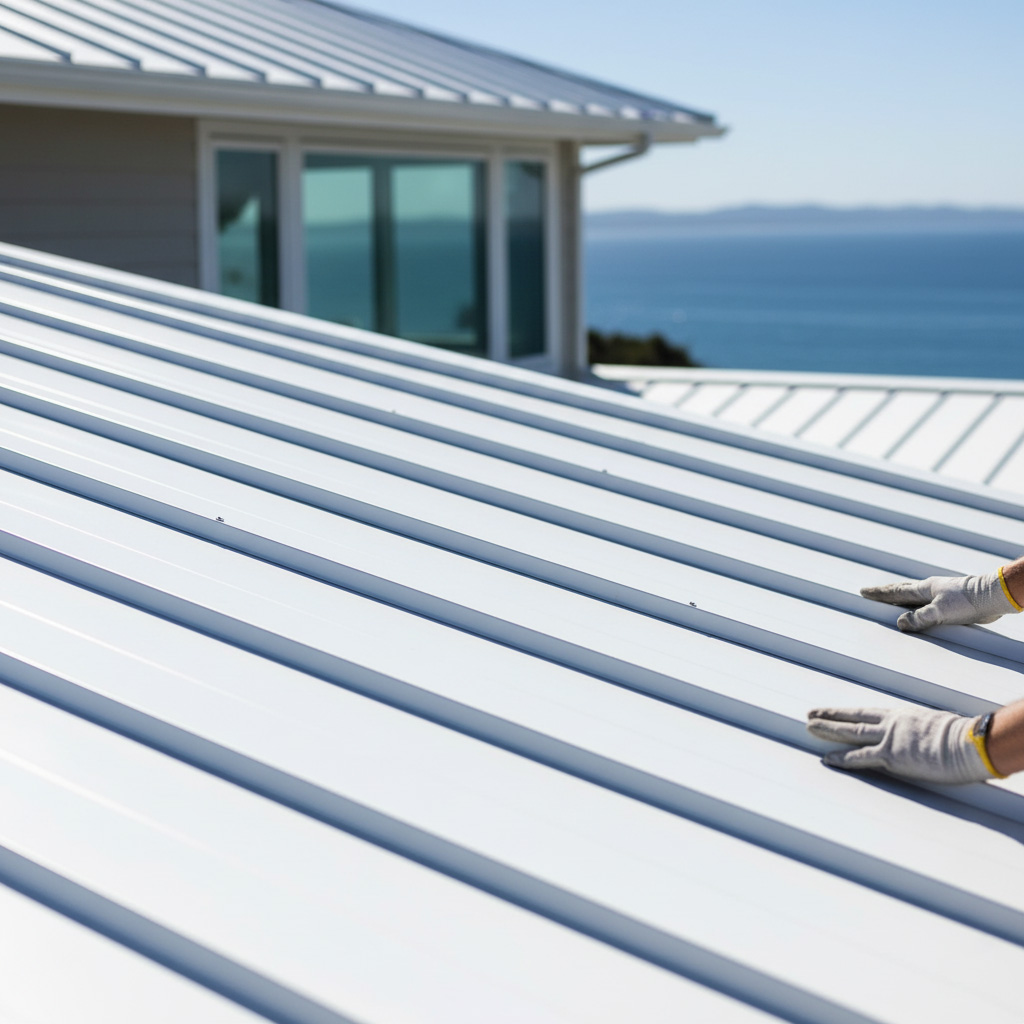
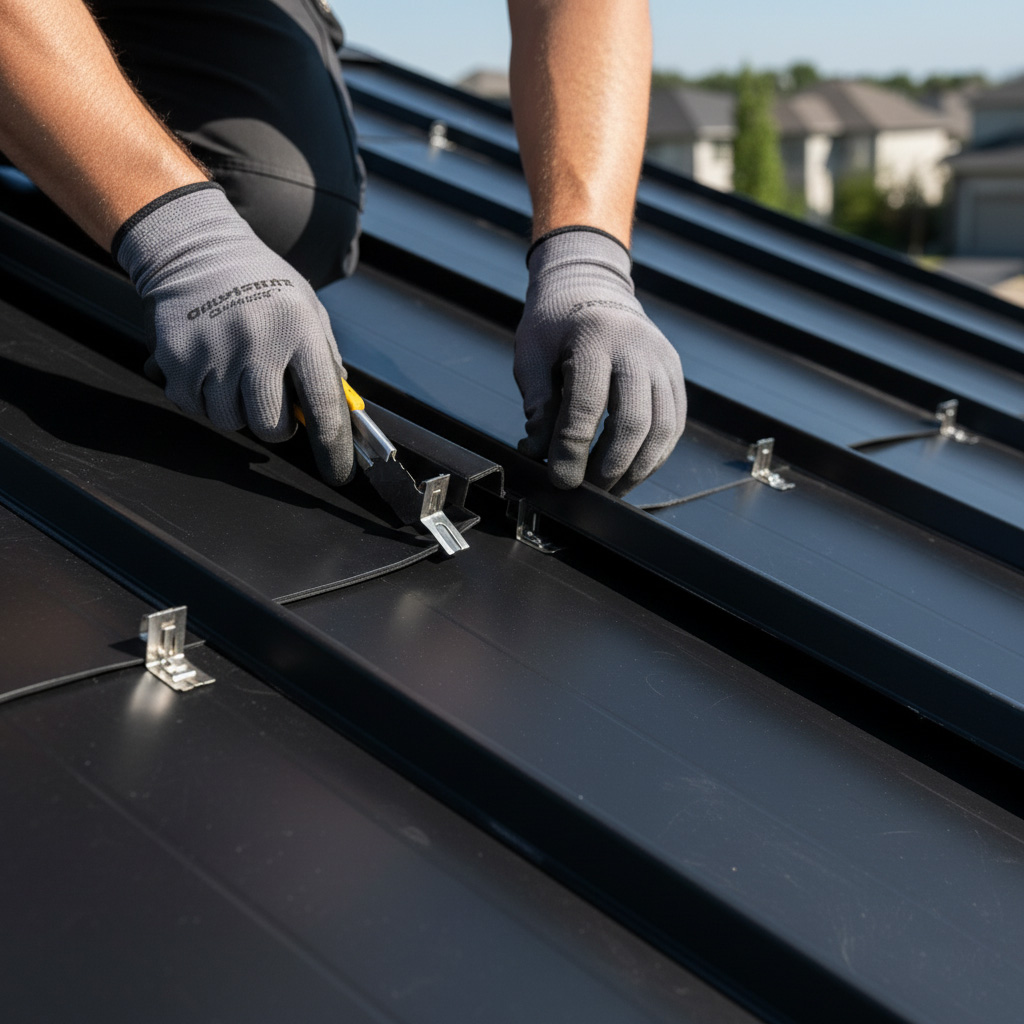
- Standing Seam Metal Roofs: Reflect heat like a mirror, boosting energy savings. Hail-resistant options handle monsoons without a dent.
- Modified Asphalt Shingles (Class 4 Impact Rated): Budget-friendly upgrade that tanks debris hits and fades slower than cheap stuff.
Avoid asphalt-only if you're skimping long-term. Factor in cool roof coatings for any material, they bounce 80% of sunlight. Your roof lasts 50+ years or fails in 10. Simple math.
Essential Pre-Installation Preparation Steps
Before a single shingle hits your roof, skip this step and regret it forever. Start with a brutal honesty check on your home's foundation – literally. Call in a structural engineer if your roof's over 20 years old; Scottsdale's shifting soils can play nasty tricks.
Clear the Deck for Battle
Trim those overhanging branches now. Monsoon winds turn them into roof-ripping missiles. Haul away debris, old vents, anything cluttering the worksite – a clean slate means zero delays.
- Power wash the deck to expose weak spots.
- Seal off HVAC units and skylights with tarps.
- Relocate satellites and antennas early.
Permits? Don't even think about starting without them. Scottsdale's building department demands proof your install meets local wind codes – up to 110 mph gusts. Budget a week for approvals, or risk fines that sting worse than hail.
Finally, audit your attic. Poor ventilation traps heat like a sauna, cooking your new roof from below. Add baffles or fans now; it'll slash your AC bills by 20% come summer.
Step-by-Step Roof Installation Process
Now that prep is locked in, it's hammer time. Your crew tears off the old roof down to the decking. No shortcuts here - any rot or damage gets fixed fast, or leaks will haunt you later.
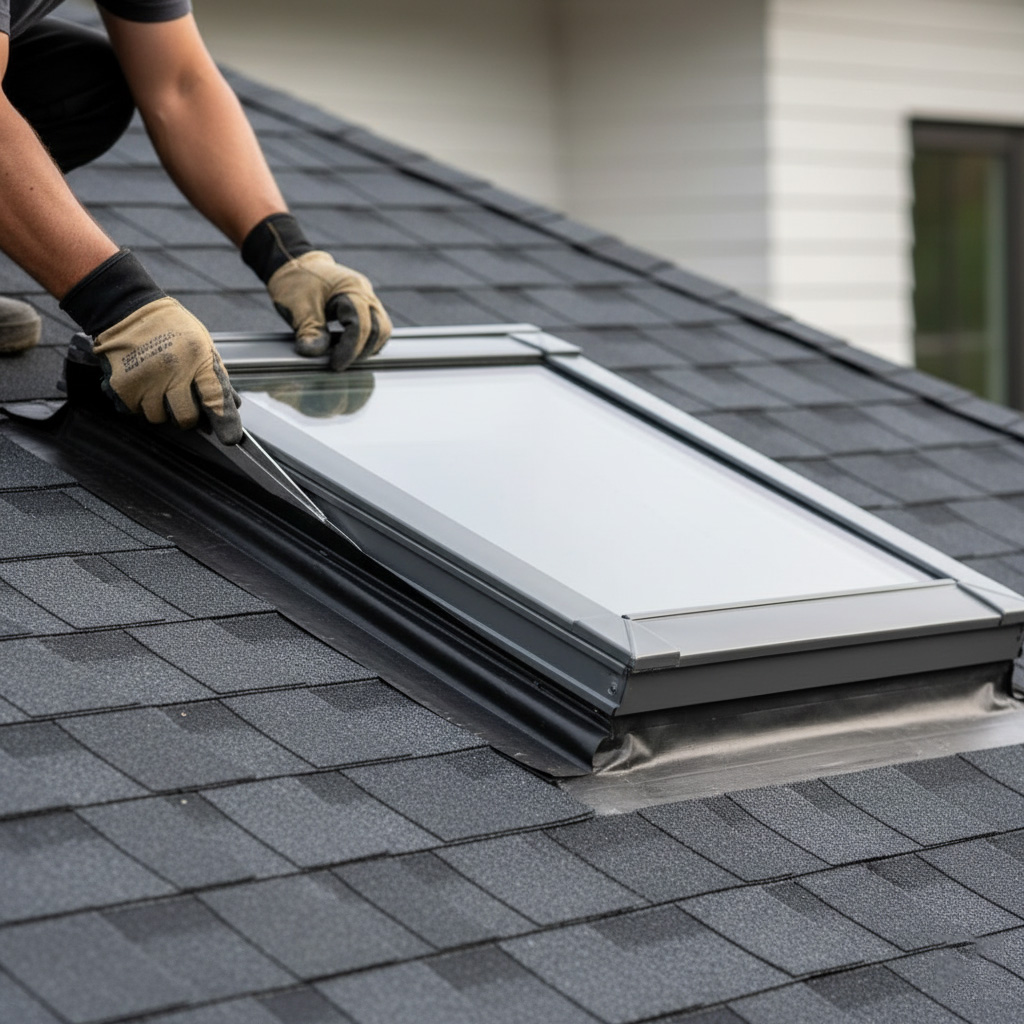
Next up, roll out that ice and water shield in valleys and eaves. It's your first line against Scottsdale's flash floods. Then flash the chimneys and vents with heavy-duty metal - monsoons don't play nice.
- Install starter strip along the eaves with nails every 8 inches. Keeps wind from lifting your shingles like cheap poker cards.
- Lay the first row of shingles, nailing high and tight. Offset each row by 6 inches for interlocking strength.
- Work up row by row, using a pneumatic nailer for speed without skimping on penetration - at least 1 inch into the deck.
- Cap ridges and hips with laminated shingles sealed tight. Add ridge vents for killer airflow against that brutal desert heat.
Final sweep: Clean the gutters, inspect every nail, and seal penetrations with high-heat caulk. Boom - your roof's battle-ready for another 30 years.
Scottsdale-Specific Techniques for Long-Lasting Results
Scottsdale roofs face hellish heat that warps shingles and invites cracks. Pros here skip standard installs. They layer in extra ventilation from day one.
Crush Heat with Ridge Vents and Soffit Boosts
Hot air rises fast in our 115-degree scorchers. Install ridge vents at the peak to suck it out. Pair them with oversized soffit vents for killer airflow.
- Reduces attic temps by 30-50 degrees.
- Cuts AC bills like a knife through butter.
- Stops premature shingle aging dead.
Monsoons hit like a truck, whipping winds over 60 mph. Standard nails? Forget it. Use wind-resistant clips and seal every seam with heavy-duty butyl tape.
Flashings around chimneys and vents get special love too. Embed them in ice-and-water shield underlayment. This combo laughs at our freak summer floods.
Case Study: Transforming a Scottsdale Home's Roof
Picture this: A sprawling ranch-style home in North Scottsdale, built in the '80s. The old asphalt shingles had baked under 110-degree summers for decades. Monsoon season last year punched holes through it, turning the attic into a swimming pool.
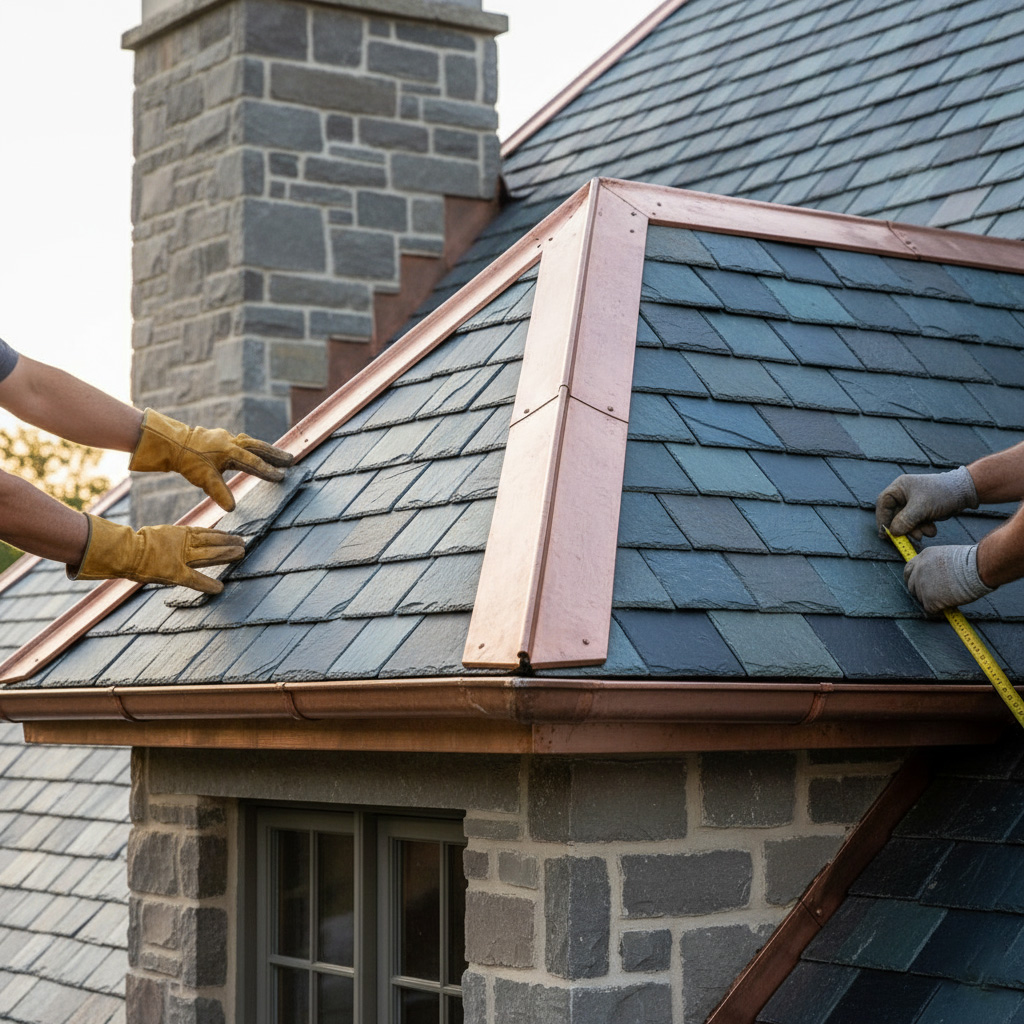
We tore it all off down to the decking. No shortcuts. Inspected every rafter for rot. Then layered on desert-tough clay tiles with synthetic underlayment that laughs at high winds.
Key Moves That Made the Difference
- Added ridge vents and solar-powered attic fans to dump that trapped heat.
- Sealed every penetration with premium butyl tape – zero leaks guaranteed.
- Custom flashing around three-story chimneys to handle those freak dust storms.
Fast forward six months. Energy bills dropped 28%. No drips during the latest downpour. The homeowners? They're raving to neighbors, and we've got photos of the gleaming new roof shining under the sun.
Conclusion.
You've got the blueprint now. A roof built for Scottsdale's heat, wind, and floods lasts decades without drama.
Skip the amateurs. One wrong move, and you're back to square one with leaks and bills.
Ready to Get Your Roof Installed Right?
- Call our crew today for a free inspection.
- We'll handle every step, Scottsdale-style.
- Check out more on Roof Installation services.
Transform your home before the next monsoon hits. Your solid roof starts here.
People Also Ask
How much does roof installation cost in Scottsdale, AZ?
Roof installation costs in Scottsdale, AZ, typically range from $8,000 to $25,000 depending on roof size, material choice, and complexity. Factors like asphalt shingles start at $5 per square foot, while premium tile options can exceed $15 per square foot. For an accurate quote tailored to your home, consult a local Scottsdale roofing expert to assess your specific needs.
What is the best roofing material for Scottsdale's desert climate?
Clay or concrete tiles are ideal for Scottsdale's intense heat, monsoons, and winds due to their durability and heat resistance. Asphalt shingles with impact ratings work well for budget-conscious homeowners but may need more frequent replacement. Metal roofing offers longevity and energy efficiency, reflecting Scottsdale's scorching sun effectively.
How long does a roof installation take in Scottsdale, AZ?
A standard roof installation in Scottsdale takes 1-3 days for a single-story home, depending on size and weather conditions. Complex projects with tile or steep pitches may extend to a week. Professional crews ensure minimal disruption by completing most jobs efficiently during optimal dry seasons.
Do I need a permit for roof installation in Scottsdale, AZ?
Yes, Scottsdale requires a building permit for all roof installations or replacements to ensure code compliance. Your roofing contractor typically handles the permit process through the city's Development Services department. Skipping this can lead to fines, so always verify with licensed professionals familiar with local regulations.
When is the best time to install a new roof in Scottsdale?
The best time for roof installation in Scottsdale is fall or spring to avoid extreme summer heat and monsoon rains. Mild temperatures allow for safer, faster work and better material adhesion. Scheduling during these seasons also minimizes downtime for your home.

Scottsdale Roofing provides roofing services to homes and businesses throughout Scottsdale, AZ. With years of hands-on experience, the team handles installations, repairs, and maintenance tailored to the local desert climate. Their focus remains on delivering reliable solutions for the Scottsdale community.
Need Roofing?
Fast roofing repairs and replacements in Scottsdale, AZ and nearby areas (85251, 85255, 85258, 85259, 85260) restore protection quickly.
Request Roof Quote